
Damp Treatment Specialists in Exeter
Damp treatment and damp proofing involves a variety of approaches to preventing moisture ingress into the structure of your property. We have the specialist knowledge, expertise and access to the technology to accurately diagnose the cause and then apply the correct long-lasting solution.
There are three main forms of damp: rising damp, penetrating damp and condensation.
The key to effective treatment is accurate identification of the cause through carrying out a survey.
Rising Damp Treatment
Rising damp appears where moisture travels upwards through porous building materials, such as brick, mortar, and plaster. This occurs through capillary action, a process where water moves against gravity through small pores in materials.
Common Causes of Rising Damp
Rising damp does not occur naturally in buildings with a functioning damp-proof course (DPC). It happens due to:
- Missing or Faulty DPC – Older buildings (pre-1900s) often lack a damp-proof course, allowing moisture to rise unchecked.
- Bridging of the DPC – If external ground levels (e.g., soil, paving) rise above the damp-proof course, water bypasses the barrier.
- Deterioration of the DPC – Over time, some materials can break down, leading to failure.
Signs of Rising Damp
These are just some of the issues rising damp can cause:
- Visible damp at lower levels on walls.
- Damaged/peeling paint.
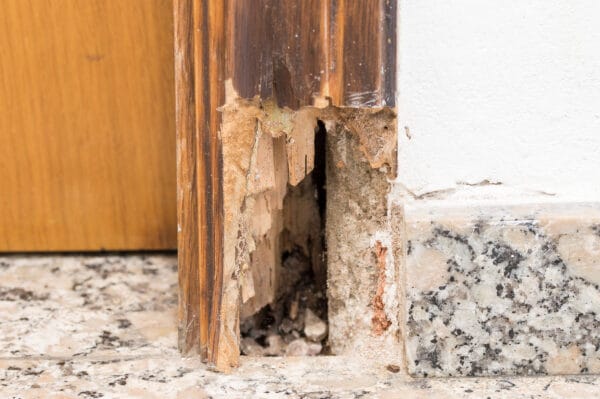
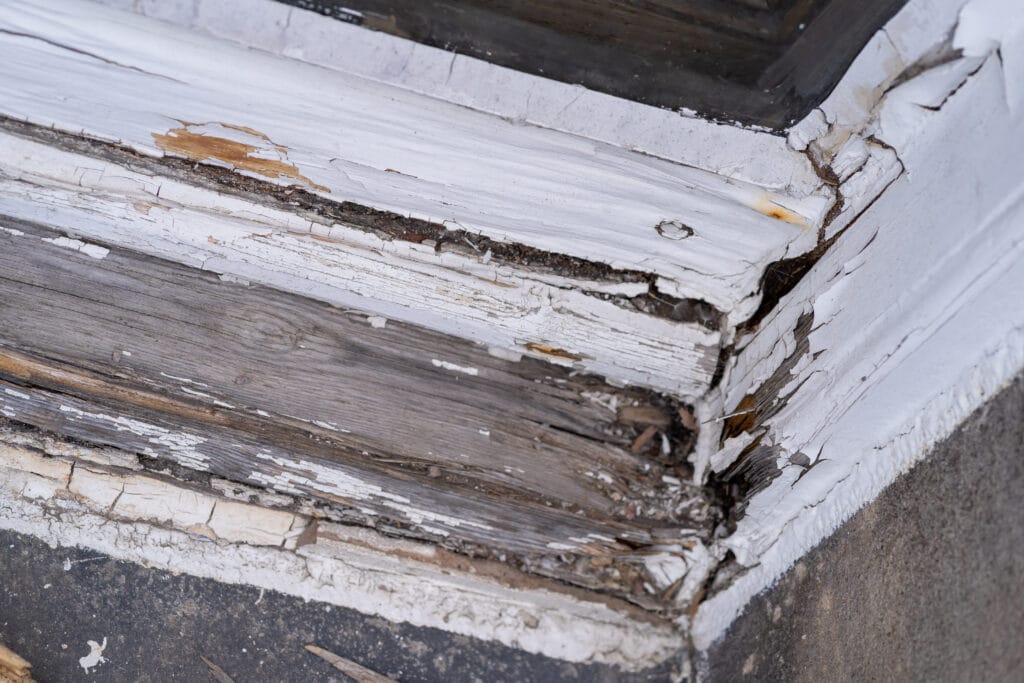
- Damage to skirting board and floorboards.
Rising damp is often misdiagnosed. We have the knowledge, expertise and the equipment to correctly assess and treat rising damp.
All our rising damp treatments come with a ten-year guarantee.
Penetrating Damp Treatments
Penetrating damp, also known as lateral damp, occurs when water enters a building through external walls, roofs, windows, or structural defects. Unlike rising damp, which moves upwards from the ground, penetrating damp can affect any part of a building and is usually caused by external factors such as faulty roofing, damaged walls, or poor drainage.
Some of the Main Causes of Penetrating Damp
- Missing or broken roof tiles
- Damaged flashing around chimneys and roof joints
- Cracked or Damaged External Walls
- Brickwork deterioration
- Cracks in render or pointing
- Blocked or Leaking Gutters & Downpipes
Signs of Penetrating Damp
- Damp patches on walls or ceilings
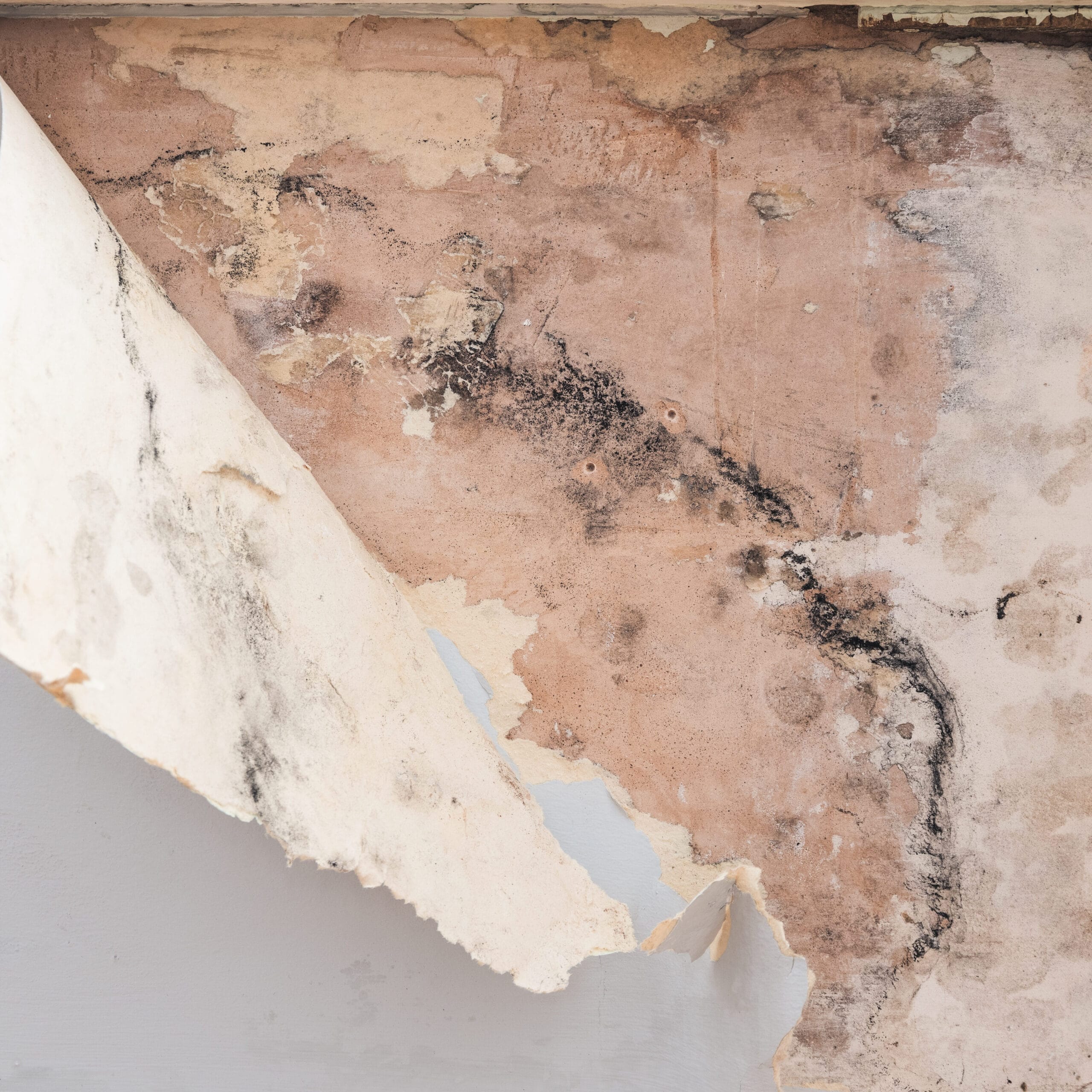
- Damage to decoration such as peeling wallpaper or paint.
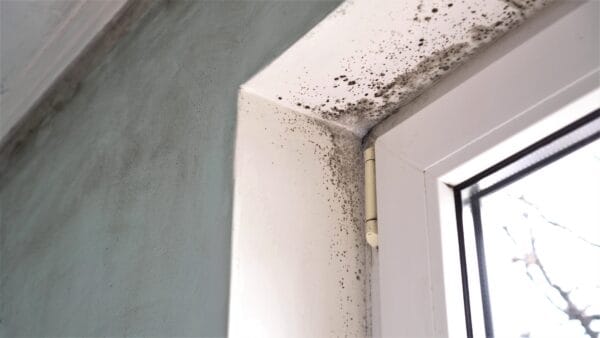
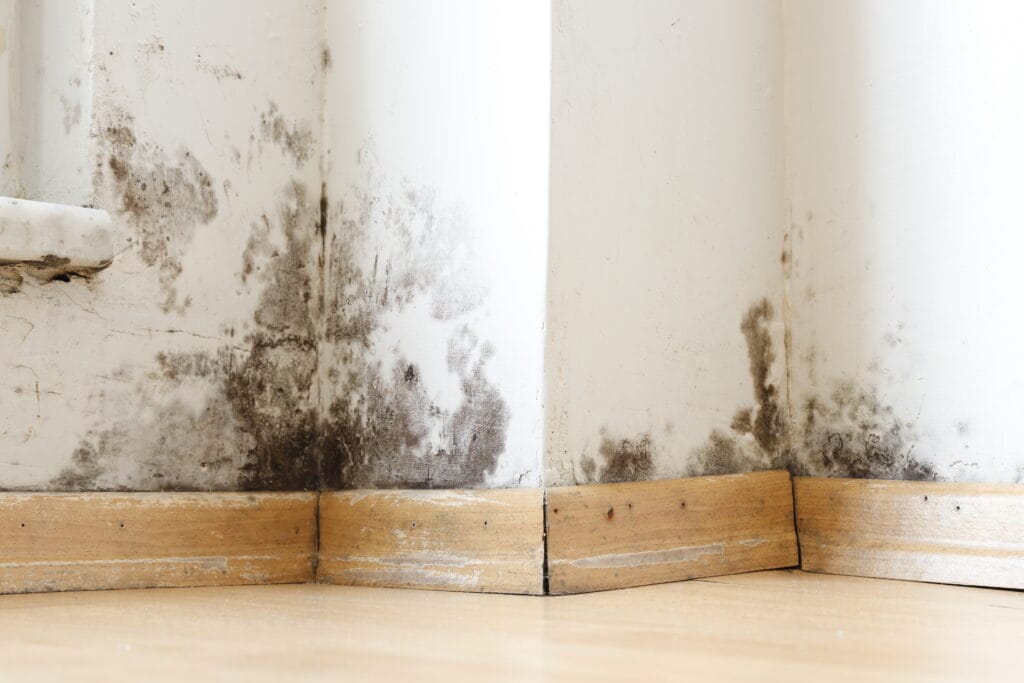
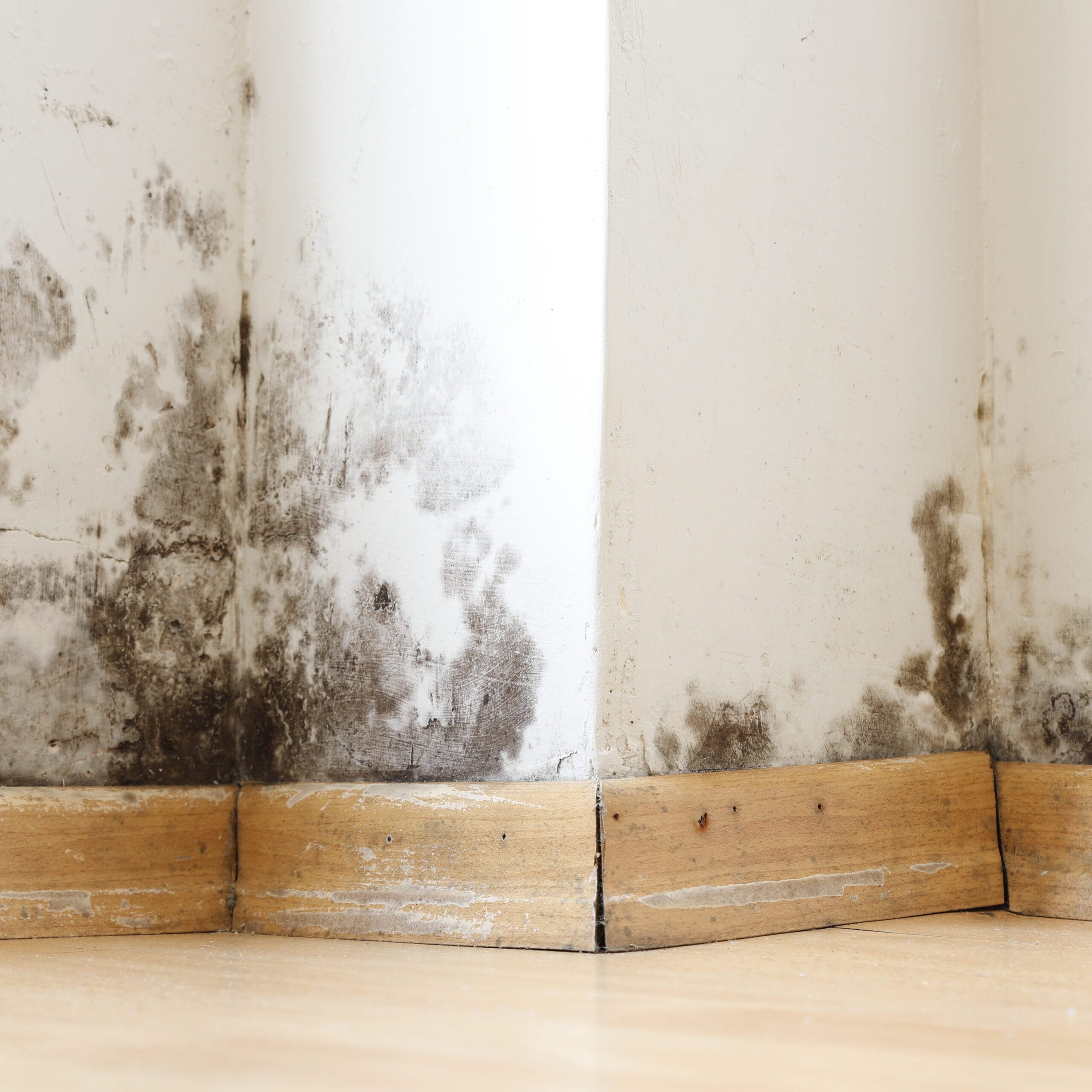
- Mould growth.
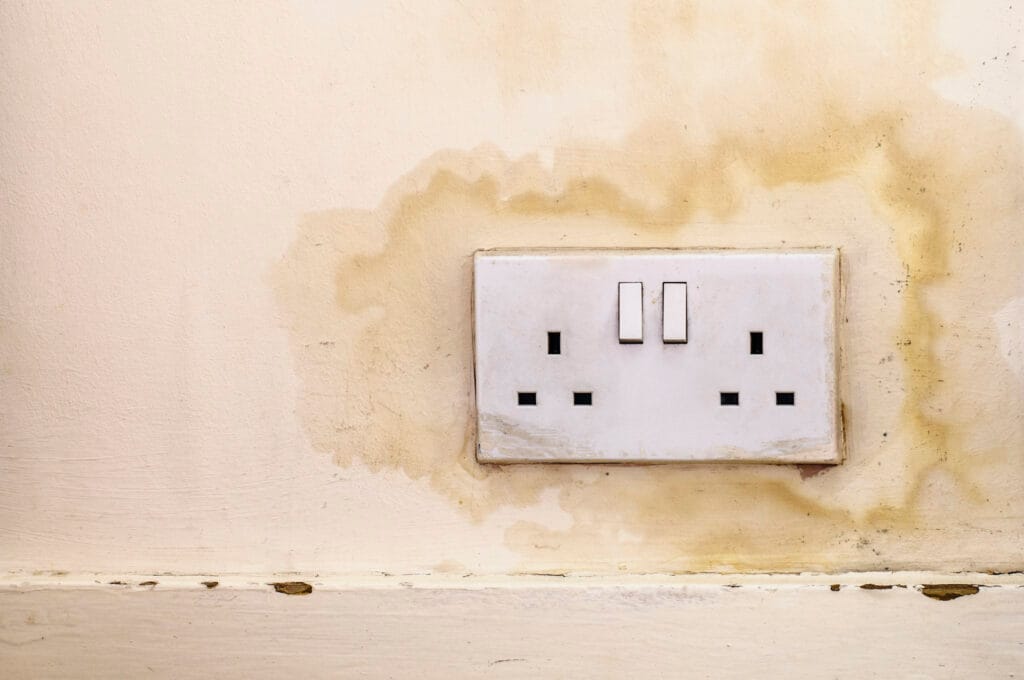
- Water stains or discolouration (brown or yellow patches on walls or ceilings)
- Musty odour.
We have the knowledge, expertise and the equipment to correctly assess and treat penetrating damp. All our penetrating damp treatments come with a ten-year guarantee.