Timber Treatment Specialists in Exeter
Wood can suffer particularly badly in older properties, or properties where damp or moisture are present – whether that’s from fungus (as in the case of dry rot or wet rot) or from insects (woodworm).
We have the knowledge to identify the correct cause of the damage to timber in your home, the expertise to apply the right specialist treatment, and the construction skills to replace damaged woodwork where necessary.
Our timber treatments come with a ten year guarantee.
Dry Rot Treatment
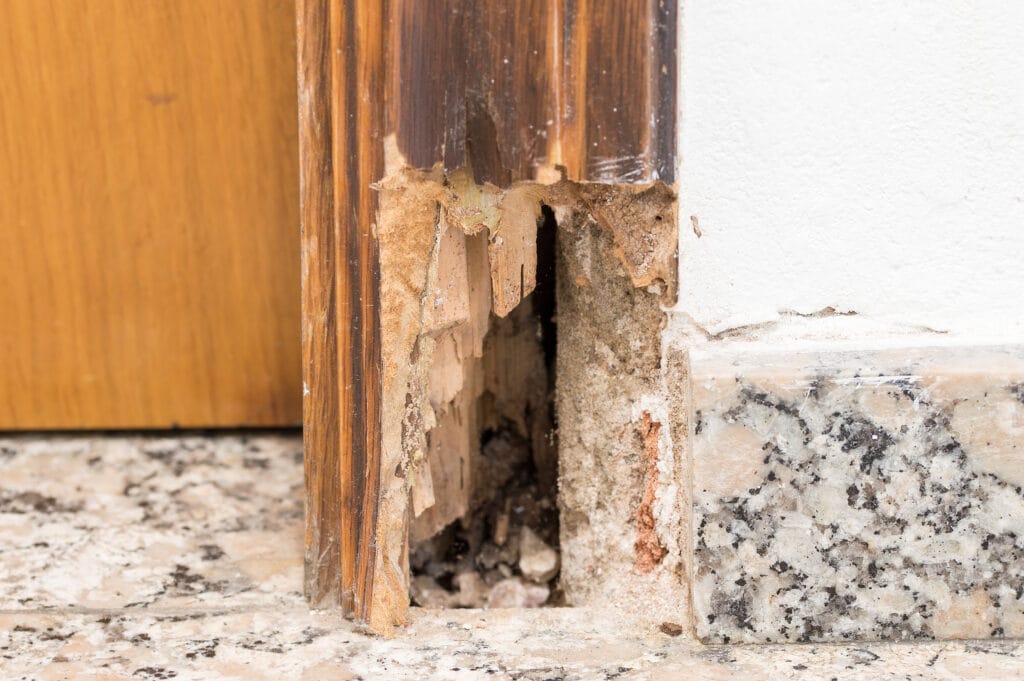
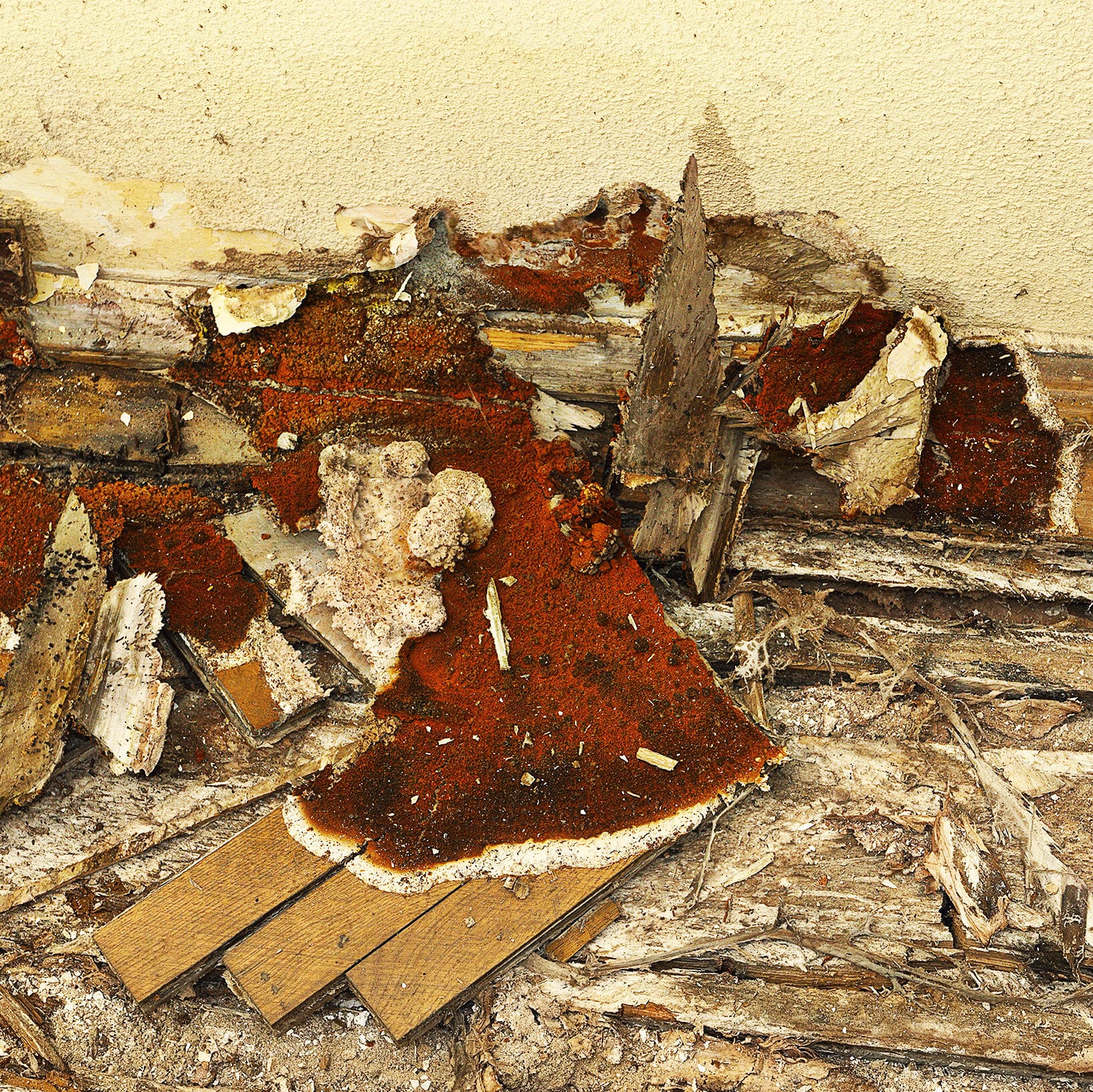
Dry rot is a serious and fast-spreading type of fungal decay that damages timber – even in areas that are no longer damp. Unlike wet rot, dry rot can move through walls and plaster to reach and infect dry wood elsewhere in your home.
It thrives in areas where damp and poor ventilation combine – underfloor areas, behind plaster and inside walls where moisture has built up, basements and cellars with high humidity, and timber beams or joists in poorly insulated buildings.
Common Signs of Dry Rot
- Timber that feels dry, brittle, or crumbles into dust
- Deep cracks running along the grain of the wood
- A strong, mushroom-like or musty smell
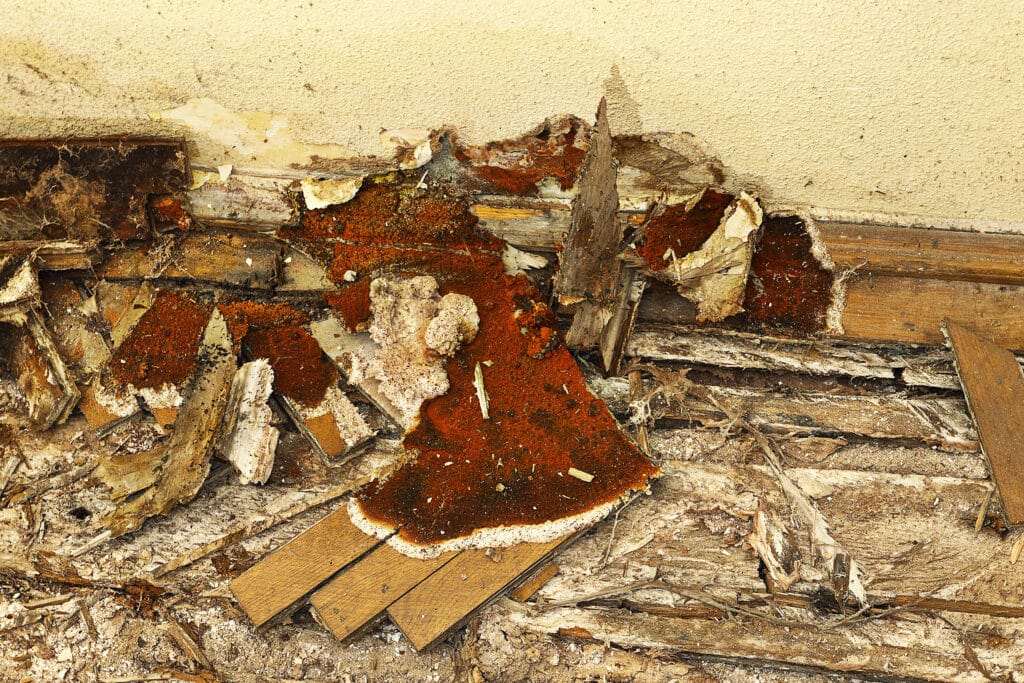
- Grey or white fungal strands or patches on timber or masonry
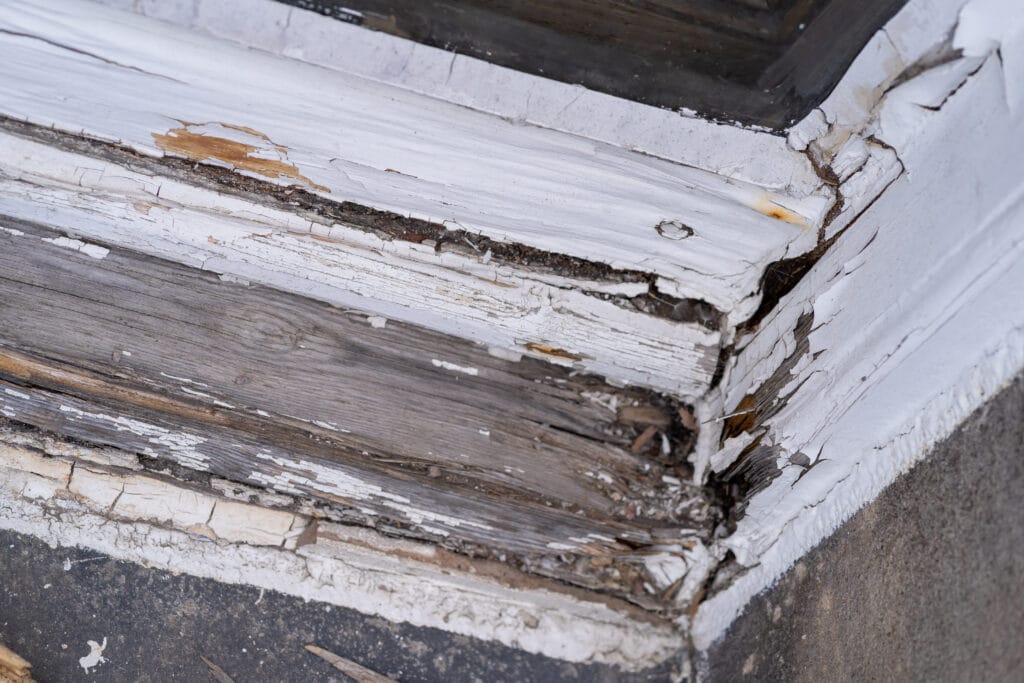
- Paint bubbling or flaking, often hiding decayed wood underneath
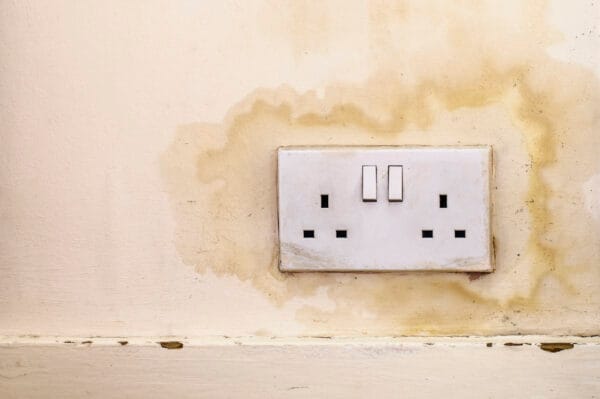
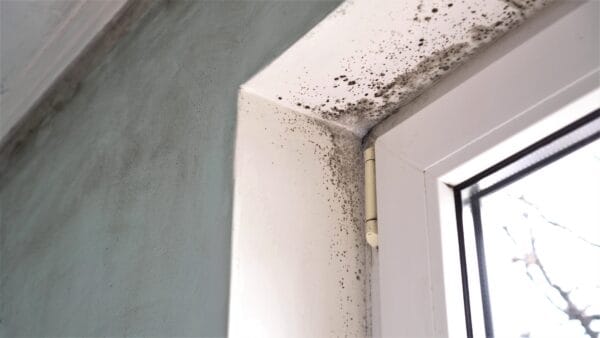
Several factors can create the right conditions for dry rot to develop, including poor ventilation in subfloors, lofts and wall cavities, roof leaks or plumbing issues leading to hidden damp, condensation or high humidity, and flooding or water ingress that isn’t fully dried out.
Dry rot can weaken structural timbers and lead to costly repairs if not treated quickly.
Wet Rot Treatment
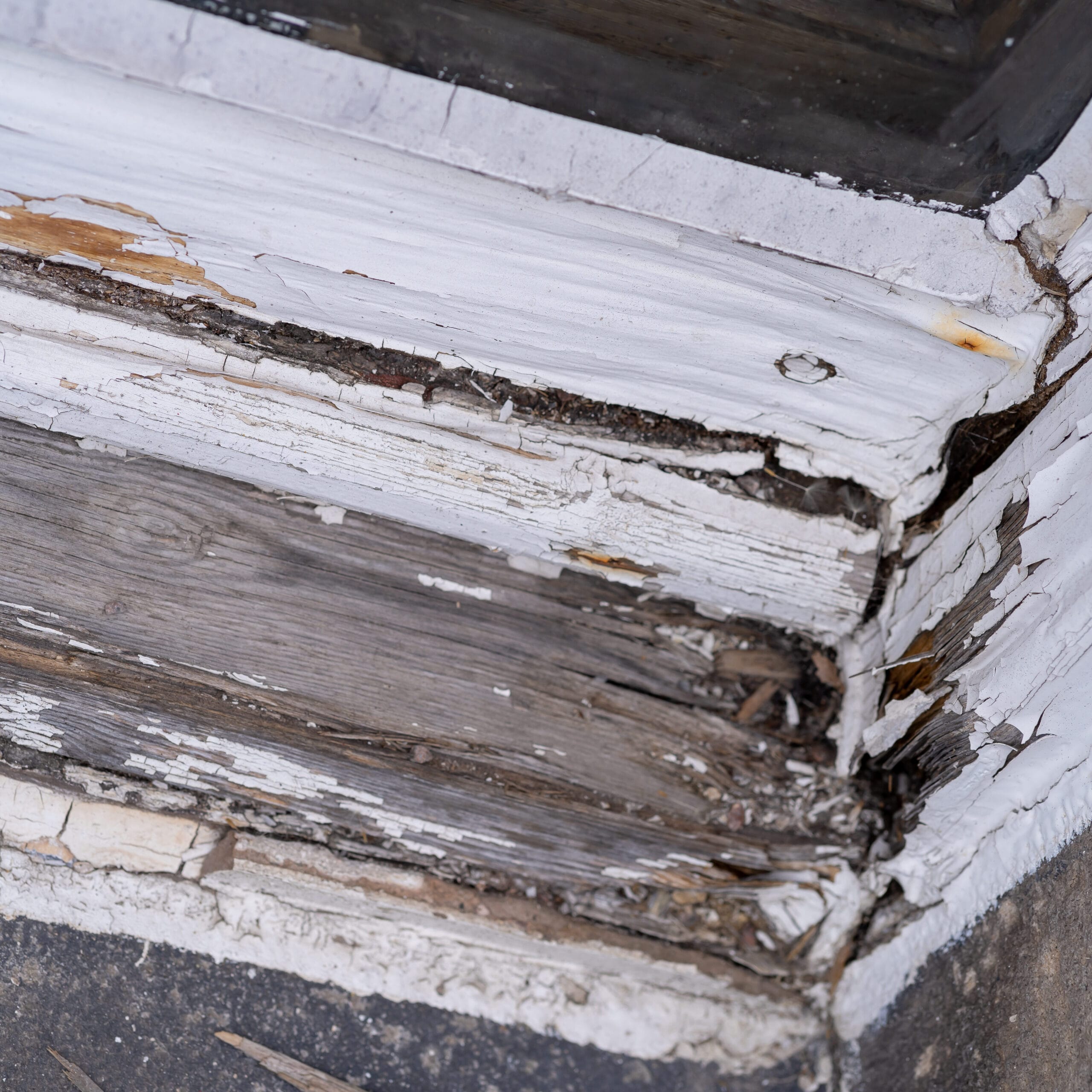
Wet rot is a type of fungal decay that damages timber when it stays damp for too long. It causes wood to soften, darken, and weaken—sometimes even crumble. Unlike dry rot, wet rot only affects the areas where moisture is present and doesn’t spread to dry parts of your home.
Common Signs of Wet Rot
- Wood feels soft, spongy, or crumbly
- Timber has dark patches or appears discoloured
- Cracks in the wood or flaking paint
- A musty, damp smell in certain areas
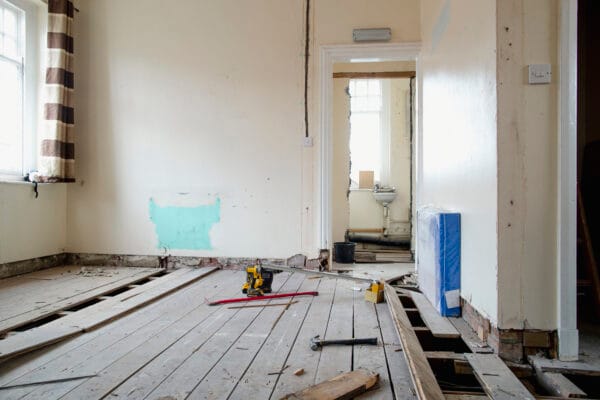
- Flooring or skirting boards that feel weak or move when stepped on
Wet rot tends to appear in areas where moisture builds up, such as bathrooms and kitchens (around leaks), floors and skirting boards (especially where there is rising damp), roof spaces and lofts (due to leaks or poor ventilation), timber window and door frames exposed to rain or condensation, and behind walls where hidden pipes may be leaking.
If left untreated, wet rot can lead to serious structural issues and costly repairs, so early detection is important.
Woodworm Treatment
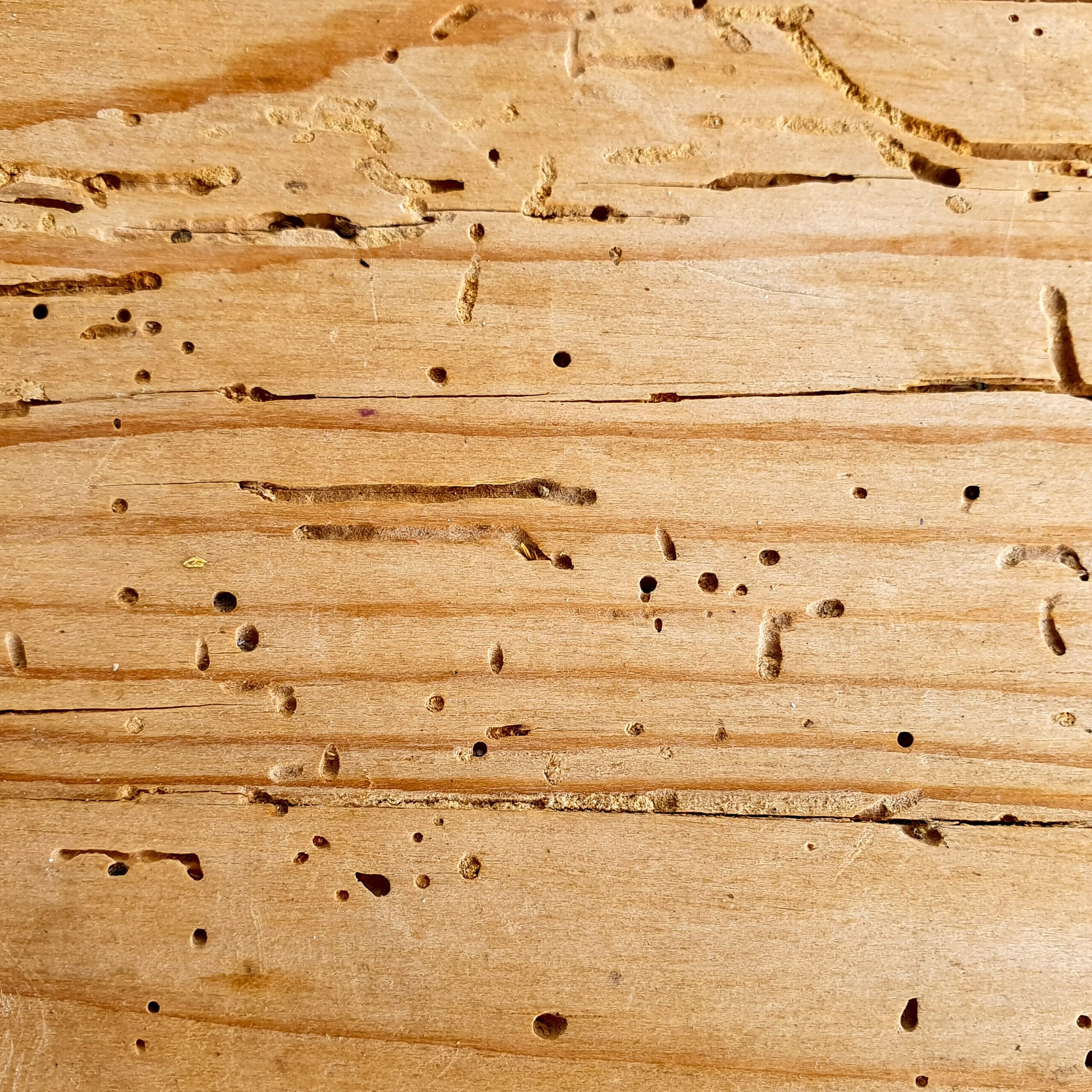
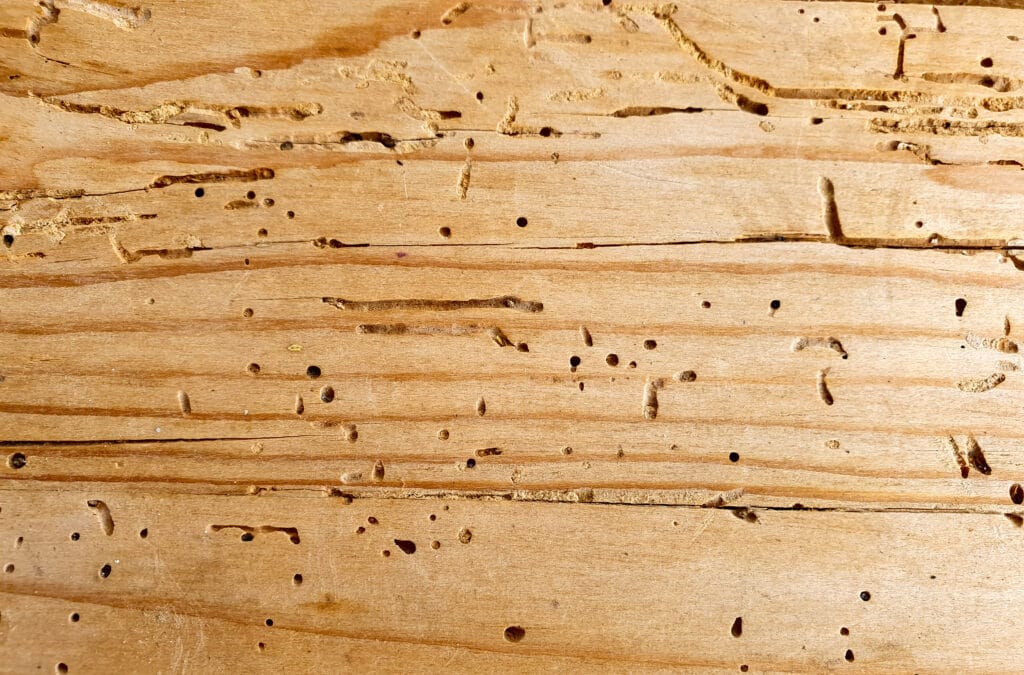
Woodworm is a term used for the larvae of wood-boring beetles. These tiny insects live inside timber, where they tunnel and feed for several years, often causing serious structural damage—especially in damp or decaying wood.
Common Signs of Woodworm
- Small, round holes on the wood’s surface
- Fine powdery dust (frass) near holes or on surrounding surfaces
- Crumbling wood or weakened timber
- Damaged flooring or furniture
- Adult beetles seen during warmer months (spring/summer)
Woodworm is more likely to develop where there is high moisture content in timber, in damp environments (due to leaks, condensation or poor ventilation), in unseasoned or untreated wood and in undisturbed areas (lofts, roof voids, old beams or sub-floor spaces).
If left untreated, the infestation continues as the beetles reproduce and spread to other wooden areas in your home.